Antidepressant & Alcohol Interaction Risk Checker
Select your medication class below to see specific warnings, symptoms, and risk levels associated with consuming alcohol.
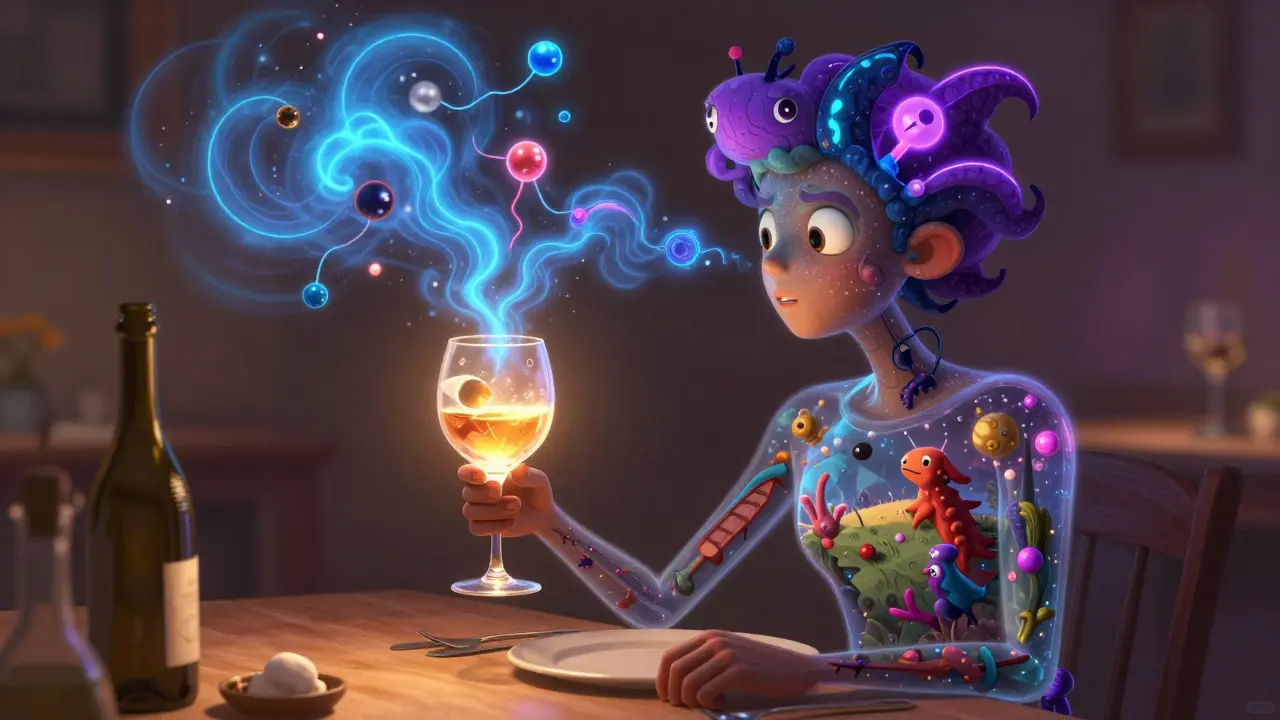
Imagine sitting down for a quiet dinner with friends. You’ve been taking your antidepressants medications designed to treat depression and anxiety by altering neurotransmitter levels in the brain for a few months, you feel stable, and you decide to have one glass of wine. It seems harmless enough. But inside your body, a chemical storm is brewing. That single drink doesn’t just make you slightly tipsy; it can amplify intoxication by up to 50%, trigger severe dizziness, or in rarer cases, lead to life-threatening complications. This isn’t just cautionary advice from worried parents-it’s hard medical data showing that mixing these substances is a significant public health risk.
The reality is stark: approximately 20% of individuals with major depressive disorder also meet the criteria for alcohol use disorder. With over 17 million American adults taking antidepressants regularly, this overlap creates a massive population at risk for dangerous interactions. Understanding exactly what happens when these two substances mix is not about fear-mongering; it’s about survival and maintaining the mental stability you’re working so hard to achieve.
How Antidepressants and Alcohol Interact Physically
To understand why this combination is risky, we need to look at how both substances affect your central nervous system. Antidepressants work by adjusting the balance of chemicals like serotonin, norepinephrine, and dopamine. Alcohol, on the other hand, is a central nervous system depressant. When you introduce alcohol into a system already being modulated by medication, you aren’t just adding two things together-you are disrupting delicate neurochemical processes.
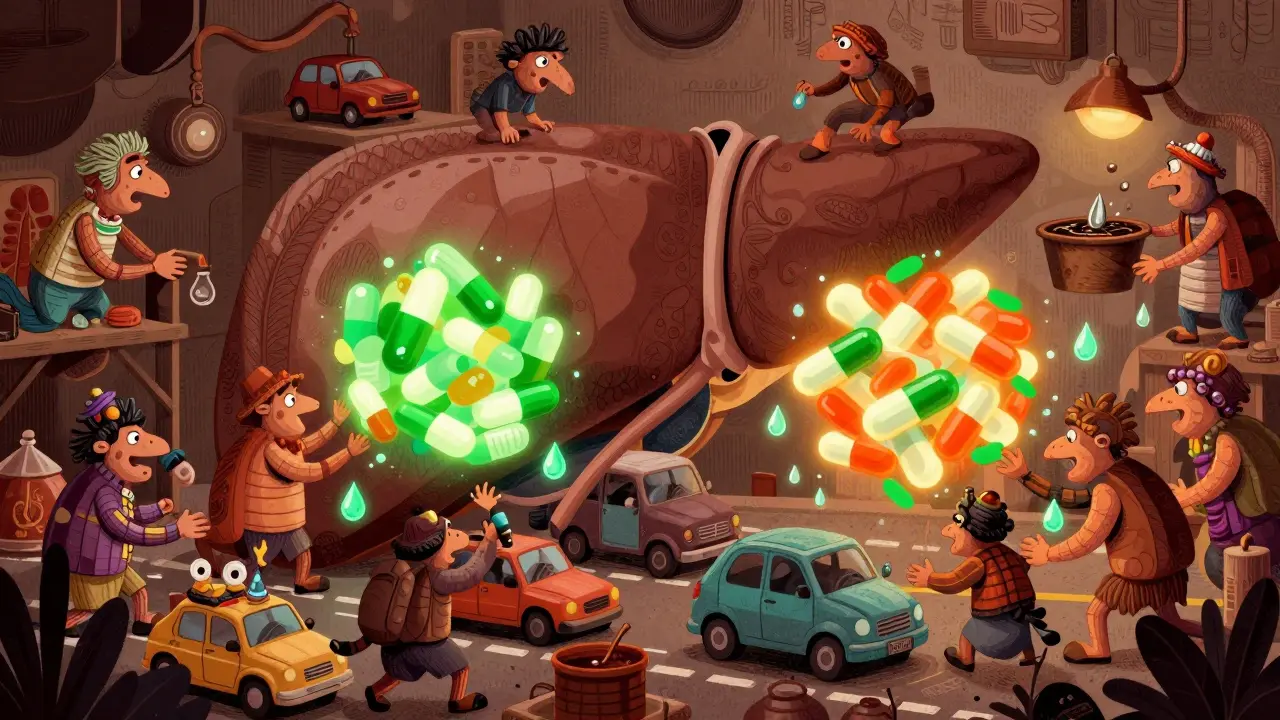
The liver plays a crucial role here. Many antidepressants are metabolized by liver enzymes, specifically the cytochrome P450 family. Alcohol competes for these same enzymes. This competition means your body processes both substances slower than usual, leading to higher concentrations of both the drug and the alcohol in your bloodstream simultaneously. The result? Amplified side effects that can catch you completely off guard.
- Drowsiness: Reported in 68% of cases where these substances are combined, making driving or operating machinery extremely dangerous.
- Dizziness: Occurs in 57% of users, often leading to falls or accidents.
- Impaired Motor Control: Affects nearly half (49%) of those who mix them, reducing coordination significantly.
- Nausea: Experienced by 33% of patients, often accompanied by vomiting.
These aren't minor inconveniences. They are physiological signals that your body is struggling to manage the dual load. For many, this manifests as feeling "completely drunk" after just one beer, with symptoms lasting far longer than expected-sometimes up to 12 hours.
Risk Levels by Antidepressant Class
Not all antidepressants carry the same level of risk when mixed with alcohol. The danger depends heavily on the specific class of medication you are prescribed. Here is how the most common types stack up against alcohol consumption.
| Medication Class | Common Examples | Primary Risk with Alcohol | Severity Level |
|---|---|---|---|
| SSRIs | Fluoxetine (Prozac), Sertraline (Zoloft), Escitalopram (Lexapro) | Increased intoxication (30-50% faster); worsened depression symptoms | Moderate to High |
| Tricyclic Antidepressants (TCAs) | Amitriptyline, Nortriptyline | Amplified sedation; respiratory depression at low blood alcohol levels | High |
| MAOIs | Phenelzine (Nardil), Tranylcypromine (Parnate) | Hypertensive crisis (blood pressure spikes >220/120 mmHg) due to tyramine in beer/wine | Critical/Life-Threatening |
| Atypical Antidepressants | Bupropion (Wellbutrin) | Lowered seizure threshold; potential psychosis-like symptoms (hallucinations, delusions) | High |
Selective Serotonin Reuptake Inhibitors (SSRIs) are the most commonly prescribed antidepressants today. While they are generally safer than older classes, combining them with alcohol still leads to rapid intoxication. Clinical observations suggest that SSRIs affect alcohol metabolism pathways in the liver, causing users to get drunk significantly faster. Furthermore, 41% of SSRI users who consume alcohol report that their depressive symptoms worsen within 24 hours, essentially undoing the progress made by the medication.
Tricyclic Antidepressants (TCAs) are older medications that amplify alcohol's sedative effects dangerously. There are documented cases of respiratory depression occurring at blood alcohol concentrations as low as 0.05%. If you are on TCAs, even a small amount of alcohol can lead to excessive drowsiness and an increased risk of falls, which is particularly dangerous for older adults.
Monoamine Oxidase Inhibitors (MAOIs) present the most immediate life-threatening danger. These drugs interact with tyramine, a substance found in aged cheeses, cured meats, and fermented beverages like beer and wine. This interaction can cause a hypertensive crisis, where blood pressure spikes to dangerous levels (exceeding 220/120 mmHg) within 30 minutes of consumption. This can lead to stroke or heart attack. If you are on an MAOI, alcohol is strictly contraindicated.
Wellbutrin (Bupropion) is an atypical antidepressant that works differently than SSRIs. Its combination with alcohol carries a unique and terrifying risk: psychosis. Bupropion lowers the seizure threshold, and alcohol can trigger dopamine flooding. In clinical data, 1 in 8 patients who combine therapeutic doses of bupropion with alcohol experience temporary psychotic symptoms, including auditory hallucinations and delusions, requiring emergency hospitalization.
The Impact on Treatment Efficacy
Beyond the immediate physical dangers, there is a profound impact on your mental health treatment. The primary goal of taking antidepressants is to stabilize mood and improve quality of life. Alcohol actively works against this goal.
Research indicates that even one standard drink per day decreases antidepressant effectiveness by 35-50% in 78% of patients. How does this happen? Alcohol is a depressant. It temporarily boosts dopamine and serotonin but then crashes these levels, creating a rollercoaster effect that disrupts the steady state your medication is trying to establish. This leads to increased impulsivity, reported in 27% of cases, and a resurgence of anxiety and depressive thoughts.
The stakes are incredibly high. A meta-review study found that combining antidepressants and alcohol is likely to lead to deaths related to antidepressant use, with nearly 80% of these deaths being suicides. Dr. Mark R. Gold, Chief Medical Officer at American Addiction Centers, warns that drinking while on antidepressants can potentiate suicide risk by 2.7 times. This isn't just about having a bad night; it's about the long-term viability of your recovery.
Conversely, avoiding alcohol yields significant benefits. A 2021 study in the Journal of Clinical Psychiatry documented that patients who abstained from alcohol had a 62% higher remission rate for depression. Yet, this statistic is rarely communicated clearly to patients, leaving many to navigate this risk without full information.
Medical Consensus and Guidelines
So, what do the experts say? Is any amount of alcohol safe? The medical consensus is largely strict, though with some nuanced exceptions for stable patients under close supervision.
The standard medical advice, supported by organizations like the National Alliance on Mental Illness (NAMI) and Priory Group, is complete abstinence during the initial 4-8 weeks of antidepressant treatment. This is the critical window where therapeutic effects are establishing themselves. Introducing alcohol during this phase can derail treatment before it even begins.
For patients who have been stable for 12+ weeks, some guidelines have shifted slightly. The American Psychiatric Association’s 2023 updated practice guidelines state that limited alcohol consumption (≤1 standard drink once weekly) may be considered for stable patients on SSRIs with no history of alcohol use disorder. However, this requires explicit physician approval and monitoring. Dr. Michael Thase, a Professor of Psychiatry, notes that occasional moderate consumption might be acceptable for stable patients, but emphasizes that this is a privilege earned through stability, not a right.
It is crucial to understand that "moderate drinking" thresholds defined by general health guidelines (1 drink/day for women, 2 drinks/day for men) do not apply to antidepressant users. Even one drink can trigger dangerous interactions in susceptible individuals. Genetic factors also play a role; recent research shows that individuals with the ADH1B*2 genetic variant experience 2.3 times greater impairment when combining SSRIs and alcohol compared to those without the variant.

Real-World Experiences and Warning Signs
Data gives us the big picture, but personal experiences highlight the unpredictable nature of these interactions. On mental health forums, stories of negative outcomes are consistent and alarming.
One user on Reddit described how a single beer while on Zoloft made them feel "completely drunk within 20 minutes," resulting in extreme dizziness and nausea that lasted 12 hours. Another patient sharing their experience with Wellbutrin reported hearing voices telling them to harm themselves after just two glasses of wine, ending in a 24-hour ER observation. These are not isolated incidents. A survey by the Depression and Bipolar Support Alliance found that 67% of respondents who combined antidepressants and alcohol reported worsened depression symptoms within 48 hours.
If you choose to drink despite medical advice, you must be hyper-aware of warning signs:
- Sudden onset of intense drowsiness or inability to stay awake.
- Uncontrollable emotional outbursts or heightened anxiety.
- Confusion, disorientation, or memory blackouts.
- Physical symptoms like rapid heartbeat, severe headache, or stiff neck (especially for MAOI users).
If any of these occur, seek medical attention immediately. Do not wait to see if it passes.
Practical Steps for Patients
Navigating social situations while on antidepressants can be challenging. Here are practical steps to manage this aspect of your health:
- Talk to Your Doctor: Be honest about your alcohol consumption. Ask specifically about your medication’s interaction profile. Do not assume safety based on internet anecdotes.
- Practice Abstinence Initially: Commit to no alcohol for the first 8-12 weeks of treatment. This allows your brain to stabilize and helps you distinguish between medication side effects and alcohol effects.
- Use Non-Alcoholic Alternatives: Keep non-alcoholic beers, sodas, or juices handy at social events. Having a drink in hand reduces social pressure without the health risks.
- Monitor Your Mood: Keep a journal. Note how you feel after any exposure to alcohol. Often, the delayed crash in mood the next day is more damaging than the immediate intoxication.
- Seek Support for Cravings: If you find yourself using alcohol to self-medicate residual anxiety, discuss this with your therapist. Cognitive behavioral therapy has a 47% success rate in reducing alcohol consumption among antidepressant users.
Remember, the goal of antidepressant treatment is to improve your life, not complicate it with dangerous side effects. Protecting your progress is worth the sacrifice of a drink.
Can I have one glass of wine while taking SSRIs?
While some doctors may permit one standard drink (5 ounces of wine) occasionally for stable patients after 12+ weeks of treatment, it is generally discouraged. Alcohol can increase intoxication by 30-50% and worsen depressive symptoms. Always consult your prescribing physician before consuming any alcohol, as individual reactions vary significantly based on genetics and metabolism.
What happens if I mix Wellbutrin and alcohol?
Mixing Wellbutrin (bupropion) and alcohol is particularly dangerous. It can lower the seizure threshold and trigger psychosis-like symptoms, including auditory hallucinations and delusions. Clinical data shows that 1 in 8 patients experiencing this combination require emergency hospitalization. Most medical professionals strongly advise against any alcohol consumption while on Wellbutrin.
Why are MAOIs and alcohol so dangerous?
MAOIs (Monoamine Oxidase Inhibitors) block the enzyme that breaks down tyramine, a substance found in fermented foods and alcoholic beverages like beer and wine. This interaction can cause a hypertensive crisis, leading to severe blood pressure spikes (over 220/120 mmHg) within 30 minutes of consumption. This can result in stroke, heart attack, or death. Alcohol is strictly contraindicated with MAOIs.
Does alcohol make antidepressants less effective?
Yes, significantly. Research shows that even one standard drink per day can decrease antidepressant effectiveness by 35-50% in 78% of patients. Alcohol acts as a depressant, disrupting the neurotransmitter balance that the medication is trying to stabilize. This leads to increased impulsivity, worsened mood, and a higher risk of relapse.
How long should I avoid alcohol when starting antidepressants?
Most healthcare providers recommend complete abstinence for the initial 4-8 weeks of treatment. This is the critical period where your body is adjusting to the medication and therapeutic effects are establishing. Avoiding alcohol during this time ensures you can accurately assess the medication's efficacy and minimizes the risk of adverse interactions.
Are there any antidepressants that are safe to mix with alcohol?
No antidepressant is considered completely "safe" to mix with alcohol. While SSRIs are generally less risky than MAOIs or Wellbutrin, they still pose significant dangers including amplified intoxication and reduced medication efficacy. The safest approach is always to avoid alcohol entirely while on antidepressant medication, unless explicitly approved by your doctor for very limited consumption.