When you’re pregnant and struggling with depression or anxiety, the question isn’t just whether to take an SSRI-it’s whether not taking one might be more dangerous. Every year, about 1 in 7 pregnant women in the U.S. experiences depression severe enough to need treatment. For many, that means choosing between managing their mental health and worrying about what the medication might do to their baby. It’s not a simple choice. But the data tells a clearer story than most people realize.
What Are SSRIs, and Why Are They Used in Pregnancy?
SSRIs-Selective Serotonin Reuptake Inhibitors-are a class of antidepressants that work by increasing serotonin levels in the brain. Serotonin helps regulate mood, sleep, and appetite. When someone has depression or anxiety, their brain doesn’t use serotonin efficiently. SSRIs fix that by blocking its reabsorption, letting more of it stay active where it’s needed.
Common SSRIs used during pregnancy include sertraline (Zoloft), citalopram (Celexa), escitalopram (Lexapro), and fluoxetine (Prozac). These aren’t new drugs. Fluoxetine was the first SSRI approved by the FDA back in 1987. Since then, millions of pregnant women have taken them. And while early concerns caused panic, large-scale studies now show they’re among the safest options available.
Why use them at all? Because untreated depression during pregnancy carries serious risks. Suicide is the leading cause of pregnancy-related death in the U.S., accounting for 20% of all maternal deaths. Untreated depression also increases the chance of preterm birth, low birth weight, and problems bonding with your baby after delivery. In fact, women with untreated depression are more than twice as likely to give birth early compared to those who get treatment.
The Real Risks: What the Data Actually Shows
Let’s talk about the risks-because they’re real, but often exaggerated.
One concern is birth defects. Early studies suggested SSRIs might increase the risk of heart problems in babies. That led to warnings about paroxetine (Paxil), which is now avoided in the first trimester because it’s linked to a slightly higher chance of septal heart defects. The absolute risk? It goes from about 0.5% in the general population to 0.7-1.0% with paroxetine use. That’s a small increase, but enough that doctors avoid it.
Other SSRIs like sertraline and escitalopram don’t show this link. A 2020 analysis of 1.8 million births in Nordic countries found no significant rise in major birth defects with SSRI use overall. The difference between exposed and unexposed babies was just 0.3%-not statistically meaningful.
Another worry is persistent pulmonary hypertension of the newborn (PPHN). This rare condition means the baby’s lungs don’t adapt properly after birth. In the general population, it affects 1-2 out of every 1,000 babies. With SSRI use in the third trimester, that number rises to 3-6 per 1,000. That sounds scary, but it’s still rare. And here’s the key: when researchers control for how severe the mother’s depression was, the risk drops almost to baseline. That means the depression itself might be contributing more than the medication.
Preterm birth and low birth weight are also concerns. Studies show SSRI-exposed babies are slightly more likely to be born early or weigh less than 5.5 pounds. But again, when you compare women with depression who took SSRIs to those with depression who didn’t, the difference shrinks. The real driver isn’t the pill-it’s the illness.
The Bigger Risk: What Happens If You Stop Taking Your Medication?
This is where the numbers get startling.
A 2022 JAMA Psychiatry study followed pregnant women who stopped their SSRIs. Of those who discontinued, 92% had a major depressive relapse. Only 21% of those who kept taking their meds relapsed. That’s a 4.3-fold increase in relapse risk just from stopping treatment.
And relapse isn’t just about feeling sad. It leads to poor prenatal care, substance use, and worse outcomes for the baby. In one study, 25% of women with untreated depression used alcohol or drugs during pregnancy. That number dropped to 8% for those on medication.
Postpartum depression is even more telling. Women with untreated depression during pregnancy are nearly three times more likely to develop postpartum depression than those who stayed on treatment. And postpartum depression doesn’t just hurt the mother-it affects the child’s development, sleep patterns, emotional regulation, and even language skills.
One study using the Maternal Postpartum Attachment Scale found that mothers with untreated depression scored 30% lower on bonding with their babies. That’s not just emotional-it’s biological. Babies need consistent, responsive care in those first months to build secure attachments. Depression makes that nearly impossible.

Which SSRI Is Safest? Sertraline Leads the Way
Not all SSRIs are created equal when it comes to pregnancy.
According to guidelines from the American College of Obstetricians and Gynecologists (ACOG) and the Society for Maternal-Fetal Medicine (SMFM), sertraline is the first-line choice. Why? Because it has the lowest placental transfer rate among SSRIs-meaning less of the drug crosses into the baby’s bloodstream. Studies show cord blood levels are almost equal to the mother’s, which is actually lower than other SSRIs like fluoxetine.
Fluoxetine stays in the body longer. That’s helpful for people who forget doses, but it means it can build up in the baby. It’s still considered safe, but sertraline is preferred for its cleaner profile.
Paroxetine? Avoid it. Especially in the first trimester. Even though the absolute risk is low, the relative risk is high enough that most providers won’t prescribe it unless there’s no other option.
And here’s a practical tip: if you’re already on an SSRI and get pregnant, don’t switch. Switching meds during pregnancy increases the chance of relapse. The best approach is to continue what’s working, at the lowest effective dose.
What About Long-Term Effects on the Child?
This is where things get complicated.
Some studies, like one from Columbia University, suggest children exposed to SSRIs in utero may have higher rates of depression by age 15-28% versus 12% in unexposed children with similar family histories. That’s concerning. But other studies, including a 2021 Lancet analysis, found no link after adjusting for genetic and environmental factors. The difference? The Columbia study didn’t fully account for inherited mental health risks. Depression runs in families. So does anxiety. It’s hard to separate the medication’s effect from the mother’s biology.
As for autism, early reports suggested a 1.3-fold increase. But when researchers compared siblings-one exposed, one not-the risk disappeared. That means the underlying condition, not the drug, is likely the real factor.
Current consensus from the NIH and SMFM is that there’s no strong evidence SSRIs cause long-term neurodevelopmental harm. The American Psychiatric Association updated its guidelines in January 2025 to reflect this, stating that the benefits of treatment far outweigh unproven long-term risks.
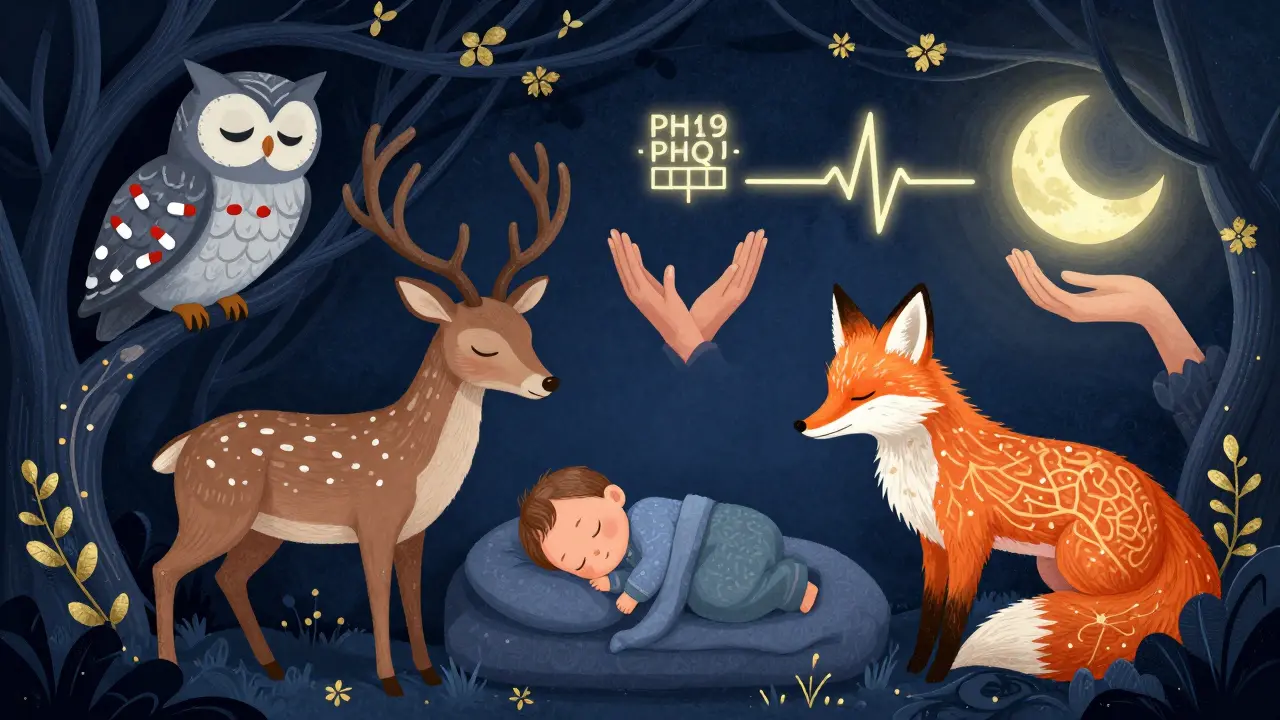
What Should You Do? A Step-by-Step Guide
If you’re pregnant or planning to be, here’s what to do:
- Don’t stop your SSRI suddenly. Abrupt discontinuation causes withdrawal symptoms like dizziness, nausea, and brain zaps in 73% of women. Taper slowly over 4-6 weeks under medical supervision.
- Work with your OB and psychiatrist together. Coordinated care is key. Your OB can monitor for gestational hypertension (which occurs in 8.5% of SSRI users) and preterm labor. Your psychiatrist can adjust your dose if needed.
- Choose sertraline if starting now. It’s the safest option with the most data supporting its use.
- Don’t switch meds unless necessary. Stability matters more than trying to find the “perfect” drug.
- Track your mood. Use the PHQ-9 screening tool every few weeks. If your score climbs above 10, talk to your provider. Don’t wait until you’re in crisis.
What If You’re Still Unsure?
It’s okay to feel overwhelmed. This is one of the hardest decisions a pregnant woman can face. But remember: the goal isn’t perfection-it’s balance.
The FDA’s 2025 advisory panel, despite criticism from ACOG, kept the current labeling unchanged because the absolute risks are low. For example, the chance of PPHN increases from 1-2 per 1,000 to 3-6 per 1,000. That’s still less than 1%.
Meanwhile, the risk of suicide, preterm birth, and long-term developmental delays from untreated depression is much higher.
Most women who take SSRIs during pregnancy go on to have healthy babies. And those babies grow up just like any other child-with the added advantage of having a mother who was emotionally present.
What’s Next?
The NIH just launched a $15 million study in September 2025 to track 10,000 mother-child pairs over 15 years. That will give us even clearer answers about long-term outcomes. In the meantime, the best advice remains the same: treat your depression. Your mental health isn’t separate from your baby’s health-it’s part of it.
If you’re on an SSRI and pregnant, you’re not doing something risky-you’re doing something brave. You’re choosing to care for yourself so you can care for your child.
Are SSRIs safe to take during pregnancy?
Yes, for most women. Large studies involving over 1.8 million births show no significant increase in major birth defects with SSRIs like sertraline, citalopram, or escitalopram. Paroxetine is avoided in the first trimester due to a small increased risk of heart defects, but other SSRIs are considered safe. The benefits of treating depression usually outweigh the risks.
Can SSRIs cause autism or developmental delays in my child?
Current evidence doesn’t support a clear link. Early studies suggested a small increase in autism risk, but later research that accounted for family history and genetics found no significant association. The American Psychiatric Association and NIH agree that untreated maternal depression poses a greater risk to child development than SSRI exposure.
What’s the safest SSRI to take while pregnant?
Sertraline (Zoloft) is the first-line recommendation. It has the lowest placental transfer rate, meaning less of the drug reaches the baby. It’s also linked to the lowest risk of persistent pulmonary hypertension of the newborn (PPHN). Fluoxetine is a second-line option, but it stays in the system longer. Avoid paroxetine in the first trimester.
Should I stop my SSRI if I find out I’m pregnant?
No, unless your doctor advises it. Stopping suddenly increases your risk of relapse by over 4 times. About 92% of women who stop SSRIs during pregnancy experience a major depressive episode. Work with your provider to taper slowly if needed, but don’t quit on your own.
Will my baby have withdrawal symptoms if I take SSRIs?
About 30% of newborns exposed to SSRIs in the third trimester experience mild neonatal adaptation syndrome-symptoms like jitteriness, irritability, or feeding trouble. These usually resolve within 2 weeks without treatment. It’s not dangerous, but your pediatrician should be aware so they can monitor your baby closely after birth.
Can I breastfeed while taking SSRIs?
Yes. Most SSRIs pass into breast milk in very small amounts. Sertraline is preferred because it has the lowest concentration in milk. Fluoxetine is less ideal due to longer half-life. The American Academy of Pediatrics considers SSRIs compatible with breastfeeding. Benefits of breastfeeding and maternal mental health stability typically outweigh minimal infant exposure.
kenneth pillet
January 18, 2026 AT 15:33Naomi Keyes
January 19, 2026 AT 09:06Andrew Qu
January 20, 2026 AT 19:38Dayanara Villafuerte
January 21, 2026 AT 04:22rachel bellet
January 22, 2026 AT 20:33Robert Cassidy
January 24, 2026 AT 06:54Jodi Harding
January 25, 2026 AT 08:34Chuck Dickson
January 27, 2026 AT 08:25Pat Dean
January 28, 2026 AT 03:11Jay Clarke
January 28, 2026 AT 17:41christian Espinola
January 29, 2026 AT 12:37Selina Warren
January 31, 2026 AT 05:41