
Methadone vs Buprenorphine Side Effect Risk Calculator
This tool helps you understand your personal risk profile for side effects from methadone or buprenorphine. Your responses will help determine which medication might be better suited for your unique situation.
Your Personalized Assessment
Methadone Risk Assessment
Based on your responses:
Buprenorphine Risk Assessment
Based on your responses:
Recommended Next Steps
What You Need to Know About Methadone and Buprenorphine Side Effects
If you're considering medication for opioid use disorder, you're not alone. Over 1.6 million people in the U.S. are now on methadone or buprenorphine to manage addiction. These aren't just pills-they're lifelines. But they come with side effects that can change your daily life. Some are mild, like dry mouth or constipation. Others, like irregular heartbeat or extreme drowsiness, can be serious. The key isn't avoiding side effects entirely-it's understanding them so you can stay safe and stay in treatment.
Methadone and buprenorphine work differently in your body, and that changes what side effects you might face. Methadone is a full opioid agonist. It fully activates the same brain receptors as heroin or fentanyl, but without the highs and crashes. Buprenorphine is a partial agonist. It only turns on those receptors partway, which makes it safer but sometimes less effective for people with high tolerance.
Common Side Effects: What Most People Experience
Almost everyone on these medications deals with some of the same issues at first. Nausea, constipation, dizziness, and sleepiness are the most common. These aren't rare-they happen to 20% to 40% of users. For many, they fade after a few weeks as your body adjusts. But for others, they stick around.
Constipation is one of the biggest complaints. About 30% of methadone users say they need laxatives every day. Buprenorphine users aren't off the hook either-around 40% report the same issue. It's not just uncomfortable. It can lead to bowel blockages if ignored. Drinking water, eating fiber, and moving your body helps. But many need stool softeners or prescription laxatives to keep things moving.
Drowsiness is another big one. Methadone users report feeling "like a zombie" more often than those on buprenorphine. One study found 55% of methadone patients struggled with daytime sleepiness that affected their jobs. Buprenorphine users had about half that rate. But even with buprenorphine, driving or operating heavy machinery can be risky, especially in the first month.
Key Differences: Methadone’s Bigger Risks
Methadone has a sharper edge. It can slow your breathing-especially when you're first starting or if you take too much. This risk is highest in the first two weeks. That’s why methadone is given in special clinics where you're watched during dosing. If you mix it with alcohol, benzodiazepines, or sleep aids, your breathing can stop. That’s how overdoses happen.
Another serious concern is heart rhythm. Methadone can lengthen the QT interval on an EKG. That’s a measure of how your heart recharges between beats. When it’s too long, you’re at risk for dangerous arrhythmias. About 5-15% of people on standard doses show this. At doses above 100mg daily, it jumps to 25-35%. That’s why doctors often check your heart before starting and again after a few weeks.
Sexual side effects are also more common with methadone. Around 30% of long-term users report low libido, erectile dysfunction, or menstrual changes. These aren’t talked about enough, but they’re real. They can strain relationships and make people feel isolated. If this happens, talk to your provider. Sometimes switching medications or adding hormone therapy helps.
Buprenorphine’s Unique Challenges
Buprenorphine is safer for breathing, but it has its own problems. The most common? Mouth issues. If you're taking Suboxone (buprenorphine + naloxone) as a film under your tongue, you might get numbness, tingling, or pain. About 30% of users report this. It’s not dangerous, but it’s annoying. Some people avoid taking their dose because it hurts.
Headaches are also frequent-30-40% of users get them. They usually go away after a few weeks, but they can be severe enough to make people quit. Some report feeling like they’re "not getting enough relief." That’s because buprenorphine has a ceiling effect. After a certain dose (usually 16-24mg), it doesn’t work any better. For people with high opioid tolerance, that can mean they still have cravings or mild withdrawal.
One major downside: buprenorphine can cause precipitated withdrawal if taken too soon after using other opioids. If you take it while you still have fentanyl or heroin in your system, it can knock the other drugs off the receptors and make you sick fast. That’s why you need to wait 12-24 hours after your last opioid use before starting. About 1 in 5 people experience this during induction.
Which One Works Better? The Real-World Trade-Offs
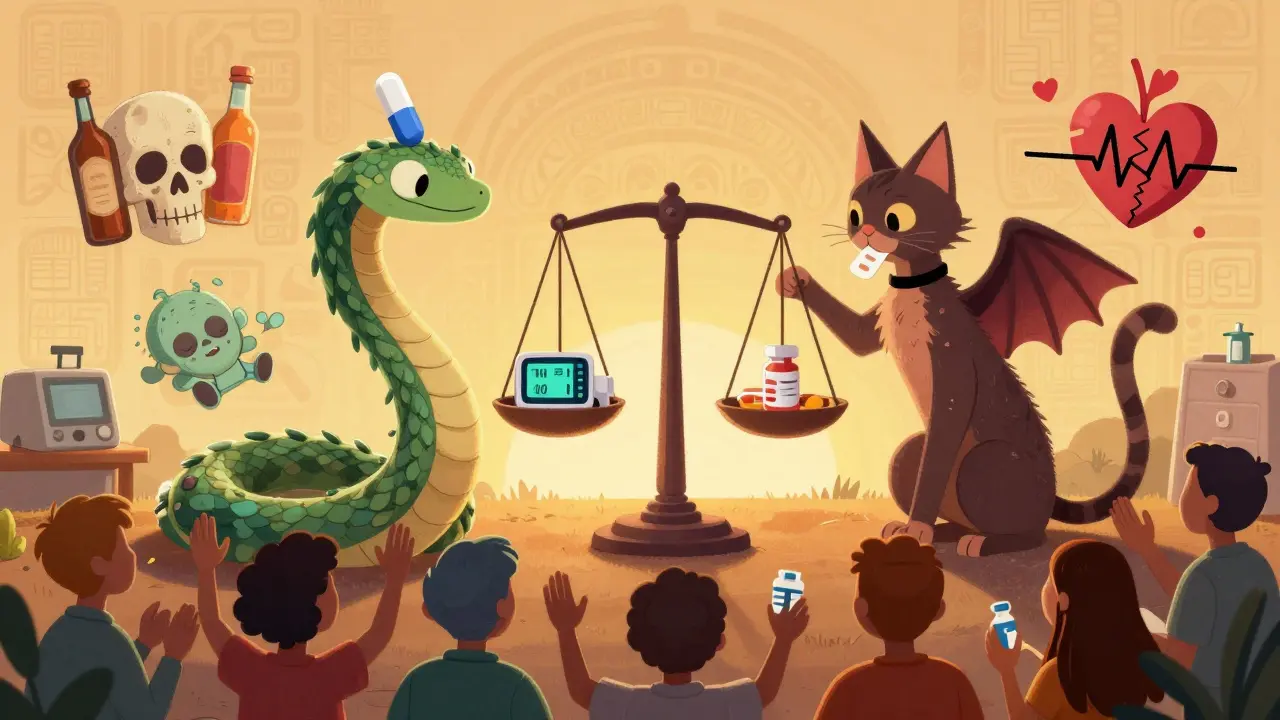
There’s no one-size-fits-all answer. Methadone keeps more people in treatment. A 2024 study showed 81.5% stayed on methadone after two years. Only 11.2% stayed on buprenorphine-the rest quit. Why? Methadone’s longer action gives steadier relief from cravings. People feel more stable. But that stability comes with higher risk.
Buprenorphine is safer. Overdose deaths are about half as common compared to methadone, especially during the first month. That’s why it’s often recommended for people with unstable housing, mental health conditions, or those who might accidentally mix it with other drugs. But if you’ve been using high doses of fentanyl for years, buprenorphine might not block cravings enough. That’s when methadone becomes the better choice.
One Reddit user summed it up: "Methadone stopped my cravings completely but I felt high all day and couldn’t function at work. Suboxone let me work normally but I still had breakthrough cravings that made me use occasionally." Neither is perfect. The goal isn’t to find a side-effect-free option-it’s to find the one that gives you the best balance of safety and control.
Who Should Avoid These Medications?
Not everyone is a good candidate. If you have a history of heart rhythm problems, especially long QT syndrome, methadone is usually off the table. If you’ve had seizures before, methadone increases your risk. If you’re pregnant, both are safe, but methadone has more long-term data on outcomes for babies.
Buprenorphine isn’t ideal if you have severe liver disease. The naloxone part can stress your liver. Also, if you’ve tried buprenorphine before and it didn’t help-maybe because you still used opioids-you’re likely not going to get better with higher doses. That’s when methadone should be considered.
And if you’re still using benzodiazepines, alcohol, or sleeping pills? Both medications become much more dangerous. Combining them with opioids raises overdose risk by 300-400%. That’s not a small risk. It’s life-threatening. Many providers now require you to stop these drugs before starting treatment.
How to Manage Side Effects and Stay in Treatment
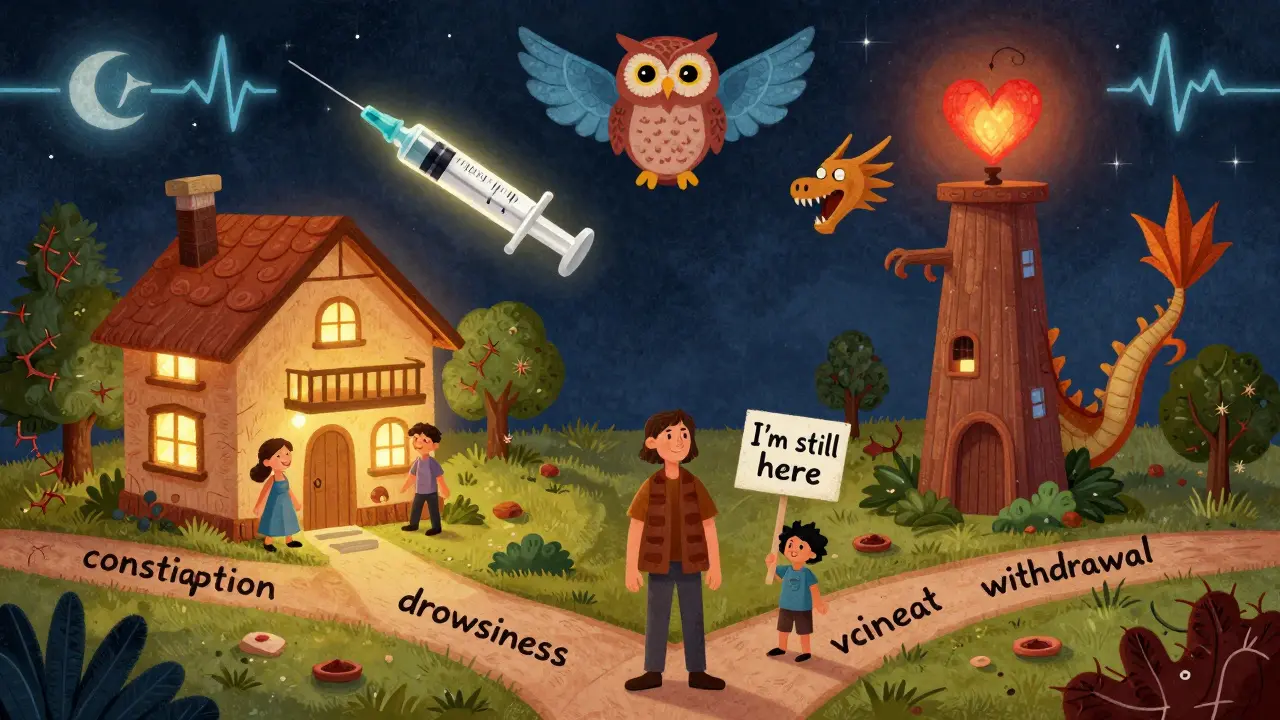
Side effects don’t have to mean quitting. Here’s what works:
- For constipation: Start with fiber, water, and movement. If that doesn’t work, ask for a stool softener like docusate or a laxative like polyethylene glycol. Avoid stimulant laxatives long-term.
- For drowsiness: Don’t drive or operate machinery until you know how you react. Try taking your dose at night if your provider allows it. Adjusting the timing can help.
- For mouth issues with buprenorphine: Let the film dissolve fully under your tongue. Don’t eat or drink for 15 minutes after. If it hurts, ask about switching to a tablet or monthly injection (Sublocade).
- For heart concerns with methadone: Get a baseline EKG before starting. Repeat it after 1-2 weeks and again at 3 months. Avoid medications that also prolong QT, like certain antibiotics or antifungals.
- For sexual side effects: Talk to your provider. Testosterone levels can drop. Hormone testing and replacement may help.
Also, never skip counseling. People who get therapy along with medication are far more likely to stay in treatment. Methadone programs require counseling. Buprenorphine doesn’t always-but you should still get it. A counselor can help you navigate side effects, cope with cravings, and build a life beyond addiction.
What’s New and What’s Coming
The field is changing fast. In 2024, the FDA approved a once-monthly buprenorphine injection (Sublocade). It avoids mouth issues and daily dosing, but causes injection site pain in half of users. There’s also a six-month implant (Probuphine), though it’s rarely used due to placement risks.
For methadone, researchers are testing new formulations that don’t affect the heart as much. Early trials look promising. And now, doctors can test your genes to see how fast you metabolize methadone. Some people break it down too fast and need higher doses. Others break it down too slow and get side effects from normal doses. This kind of precision medicine is still new, but it’s coming.
The biggest shift? More providers can now prescribe buprenorphine. Thanks to the 2023 Mainstreaming Addiction Treatment Act, over 150,000 doctors can now offer it-not just addiction specialists. But here’s the catch: many don’t know how to start it safely. A 2024 study found 43% of primary care doctors didn’t know the right induction protocol. That means you might need to educate your provider-or find one who specializes in addiction care.
Final Thoughts: It’s Not About Perfection
You’re not looking for a medication with no side effects. You’re looking for the one that lets you live. For some, that’s methadone-even with the drowsiness and constipation-because it finally stops the cravings. For others, it’s buprenorphine-even with the mouth numbness-because they can go to work, pick up their kids, and sleep through the night.
Side effects are not a sign of failure. They’re a signal. If something’s too uncomfortable, talk to your provider. Don’t quit. Adjust. Switch. Add support. The goal isn’t to feel perfect. It’s to feel like yourself again.
Can methadone or buprenorphine cause an overdose?
Yes, but the risk is very different. Methadone can cause fatal overdose, especially when starting, if you take too much, or if you mix it with alcohol or benzodiazepines. Buprenorphine has a ceiling effect-after a certain dose, it doesn’t increase respiratory depression. This makes overdose much less likely, even with higher doses. But combining buprenorphine with other depressants still raises overdose risk by 300-400%.
Which medication is better for someone with a high opioid tolerance?
Methadone is usually better. Buprenorphine’s ceiling effect means it may not fully block cravings for people who used high doses of fentanyl or heroin regularly. Methadone can be titrated to higher doses without a ceiling, making it more effective for severe cases. About 30-40% of patients who fail buprenorphine do better on methadone.
Do these medications affect your ability to drive or work?
Initially, yes. Both can cause drowsiness, slowed reaction time, and attention problems. Methadone users report this more often. Most people adjust within 2-4 weeks. If you still feel impaired after a month, talk to your provider. Dose adjustments, timing changes, or switching medications may help. Never drive if you feel drowsy or foggy.
Can I switch from methadone to buprenorphine?
Yes, but it’s tricky. You need to be stable on methadone and reduce your dose to 30mg or less before switching. Then you must wait 24-48 hours after your last methadone dose before starting buprenorphine. If you start too soon, you can get sudden, severe withdrawal. This process should be done under medical supervision.
Are there long-term side effects of taking methadone or buprenorphine for years?
Long-term use is generally safe, but not without risks. Methadone users may develop persistent QT prolongation, sexual dysfunction, or bone density loss. Buprenorphine users may have ongoing mouth irritation or dental issues from the films. Both can cause mild cognitive slowing, but studies show most people regain full function after years of stable treatment. The biggest long-term benefit? Drastically lower risk of overdose death compared to untreated opioid use disorder.
Next Steps: What to Do Now
If you’re starting treatment, ask for an EKG before methadone. Ask about counseling. Ask if your provider knows how to manage buprenorphine induction. If you’re already on one of these medications and side effects are affecting your life, don’t suffer in silence. Your provider can adjust your dose, switch your form (film to tablet, daily to monthly shot), or add supportive treatments. This isn’t about giving up on medication-it’s about making it work for you.
Usha Sundar
December 23, 2025 AT 18:19Spencer Garcia
December 24, 2025 AT 08:24Abby Polhill
December 24, 2025 AT 18:54Bret Freeman
December 26, 2025 AT 04:00Pankaj Chaudhary IPS
December 27, 2025 AT 23:59Aurora Daisy
December 28, 2025 AT 03:13Georgia Brach
December 29, 2025 AT 17:41Payson Mattes
December 31, 2025 AT 06:09Steven Mayer
December 31, 2025 AT 17:59Joe Jeter
January 2, 2026 AT 00:34bharath vinay
January 2, 2026 AT 14:57Dan Gaytan
January 3, 2026 AT 18:50Chris Buchanan
January 4, 2026 AT 11:47Wilton Holliday
January 6, 2026 AT 03:45Raja P
January 6, 2026 AT 11:17